What Is Bone Grafting and Why You May Need It Before Implants
Bone grafting is a dental procedure that rebuilds areas of the jaw where bone has become too thin, weak, or reduced to support a dental implant. Since implants rely on strong bone for stability, grafting may be recommended before treatment begins. This article explains what bone grafting is, why it may be needed, what the process involves, and what patients can expect during healing.
Bone grafting helps prepare the jaw for implants
A dental implant is placed into the jawbone to act as an artificial tooth root, but it needs a solid foundation to function well. The surrounding bone must have enough height, width, and density to handle daily chewing and long-term pressure. When the jaw has weakened or narrowed, placing an implant too soon can make the treatment less stable. Bone grafting helps rebuild that missing support before implant placement.
During the procedure, graft material is added to the area where bone volume has been lost. This material works like a framework for new bone growth, helping the jaw become stronger and better prepared for future treatment.
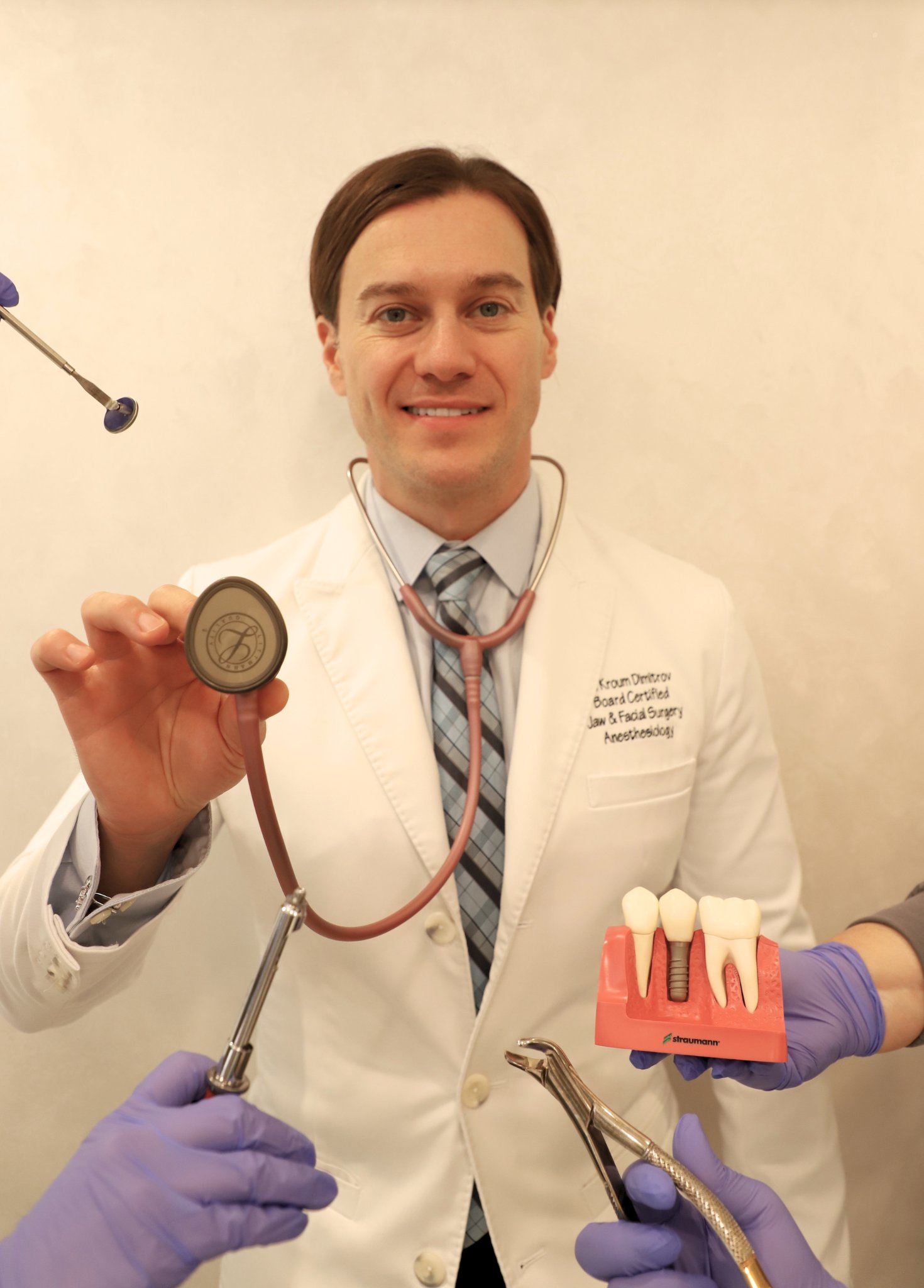
An experienced dental surgeon can evaluate the patient's bone structure, oral health, and treatment goals while also understanding the common needs of their local patient community. In one example case, Dr. Kroum Dimitrov, a dental surgeon in Miami, FL, and founder of Love Your Jaws, a premier oral surgery center specializing in jaw surgery and robotic implants, had to begin bone grafting after discovering that a patient who had been missing a tooth for several years no longer had enough bone structure to securely anchor an implant.
This kind of finding is not unusual, as a patient who lost a molar years ago may come in hoping for a straightforward implant, only to learn that the jawbone in that area has shrunk and needs grafting first, so the final result has a safer, more stable base.
Why can bone loss happen before implant treatment?
Bone loss in the jaw often begins after a tooth is removed or lost. Natural tooth roots stimulate the jaw during biting and chewing. Once a tooth is missing, that stimulation decreases, and the surrounding bone may shrink. This can leave the area too narrow or shallow for an implant.
Gum disease is another common reason for bone loss. Advanced periodontal disease can damage the tissues and bone that hold teeth in place. When bone support is reduced, teeth may loosen, and future implant planning can become more complex.
Trauma, infection, long-term denture use, and natural anatomy can also affect bone volume. Some patients have naturally thin areas of bone near the sinuses or nerves, especially in the upper back of the jaw or the lower jaw. These areas often need careful evaluation before implant placement.
Bone grafting is not recommended for every patient. It depends on the condition of the jaw, the implant location, the number of missing teeth, and the amount of support needed.
How does dental bone grafting work?
The process usually starts with an exam and dental imaging. X-rays or 3D scans help the surgeon assess bone levels and identify nearby nerves, sinuses, and other important anatomical structures. This planning step helps determine the type and amount of graft material needed.
During the procedure, the area is numbed, and sedation may be used depending on the treatment plan. The surgeon prepares the site, places the graft material, and may cover it with a protective membrane. The gum tissue is then closed with sutures so healing can begin.
Different graft materials may be used. Some come from the patient’s own bone, while others come from a human donor, animal source, or synthetic material. The right choice depends on the size and location of the defect, the patient’s health, and the surgeon’s recommendation.
Bone grafting may happen right after a tooth extraction, before an implant, or during implant placement when only a small amount of support is needed. Larger grafts often need a separate healing period before the implant can be placed.
Signs you may need a bone graft before implants
A patient may need bone grafting if a tooth has been missing for months or years. The longer an area remains without a tooth root, the more likely the bone is to narrow. Even when the gum looks normal on the outside, the bone underneath may not be strong enough to support an implant.
Visible gum shrinkage, loose teeth, a history of gum disease, or past infection near the missing tooth can also raise concern. Dentures worn for a long period may put pressure on the gums while the underlying bone continues to resorb.
A bone graft may also be needed if an extraction leaves a socket that cannot support future implant placement. In that situation, socket preservation may help protect the area after the tooth is removed.
The most reliable way to know is through imaging. A dental exam alone may not show the full width and depth of the jawbone. Scans give the surgeon a clearer view of whether the implant site is ready or needs to be rebuilt first.
What does healing look like after a bone graft?
Healing after a dental bone graft happens in stages. Mild swelling, soreness, and light bleeding can occur during the first few days. These symptoms are usually managed with aftercare instructions, prescribed or recommended medication, cold compresses, and a soft-food diet.
Patients are often told to avoid smoking, drinking through straws, heavy exercise, and chewing directly on the grafted area during early healing. These habits can disturb the site and slow repair. Good oral hygiene matters, but brushing near the surgical site must be done carefully.
The surface tissue may feel better within one to two weeks, but the deeper bone healing takes longer. It can take several months for the grafted area to develop enough support for implant placement. The exact timeline depends on the size of the graft, the material used, the patient’s overall health, and how well the area heals.
Follow-up visits allow the surgeon to monitor progress and decide when the implant site is ready. Placing an implant too early can increase the risk of poor stability.
Why can grafting improve implant success?
Dental implants need a strong foundation. If the jawbone is too thin or weak, the implant may not fuse properly with the bone. This process, called osseointegration, is essential for long-term function.
Bone grafting helps create better support before the implant is placed. It can improve the implant's position, help protect nearby anatomy, and support a more natural-looking final result. Proper bone volume also helps the gum tissue sit better around the future crown.
Skipping a needed graft may lead to complications, including implant movement, poor healing, gum recession, or implant failure. While grafting may add time to the treatment plan, it can make the final result more stable and predictable.
A careful evaluation helps patients understand whether grafting is necessary or whether an implant can be placed without it.